
Do Slug Pellets Still Work? 100 Provanto Buyers Are Split
We earn commission from qualifying Amazon purchases. It costs you nothing and does not affect what we recommend.
Half the buyers say their slugs vanished within days. The other half say they bought pigeon food. Both camps are describing the same 800g tub, so which experience is yours going to be?
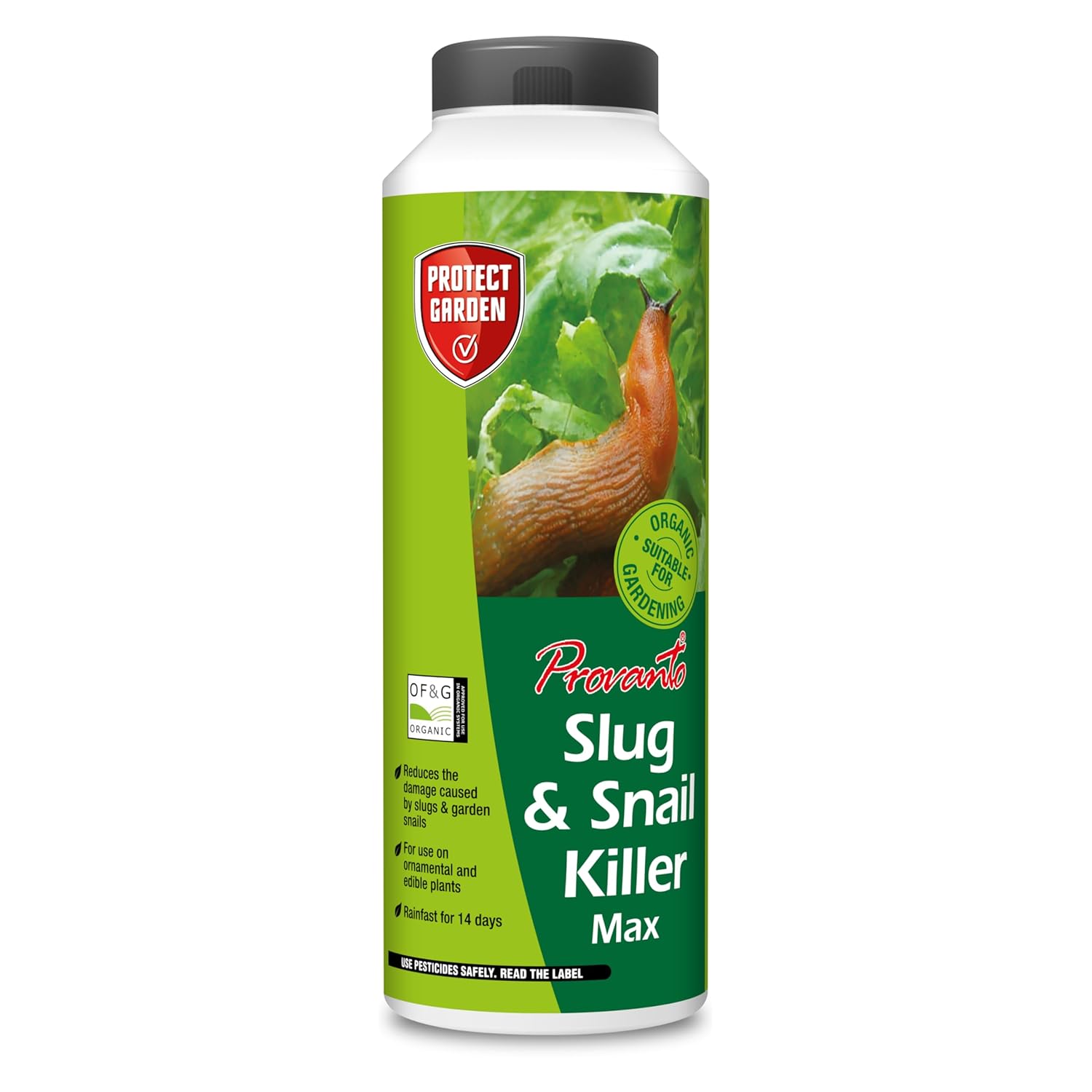
There is a specific kind of heartbreak that only hits keen gardeners: you walk out on a June morning, coffee in hand, and the hosta you have been nurturing looks like something took a hole punch to every leaf overnight. Slugs and snails are the reason a lot of us reach for pellets in the first place, and Provanto Slug & Snail Killer Max is one of the most-bought options on Amazon UK, sitting at 4.4 stars from 6,496 ratings and priced at £7.96 for an 800g tub.
So it should be an easy recommendation. Except it is not that simple. When we sat down and read the 100 most recent reviews, the room split almost down the middle in tone. Around seven in ten buyers are delighted, describing gardens that went from overrun to slug-free in a week. But a loud, specific minority are furious, and their complaint is not that the pellets are weak. It is that something else eats them first. This review is about that split, and how to work out which side of it you are likely to land on.
The Argument at the Heart of the Reviews
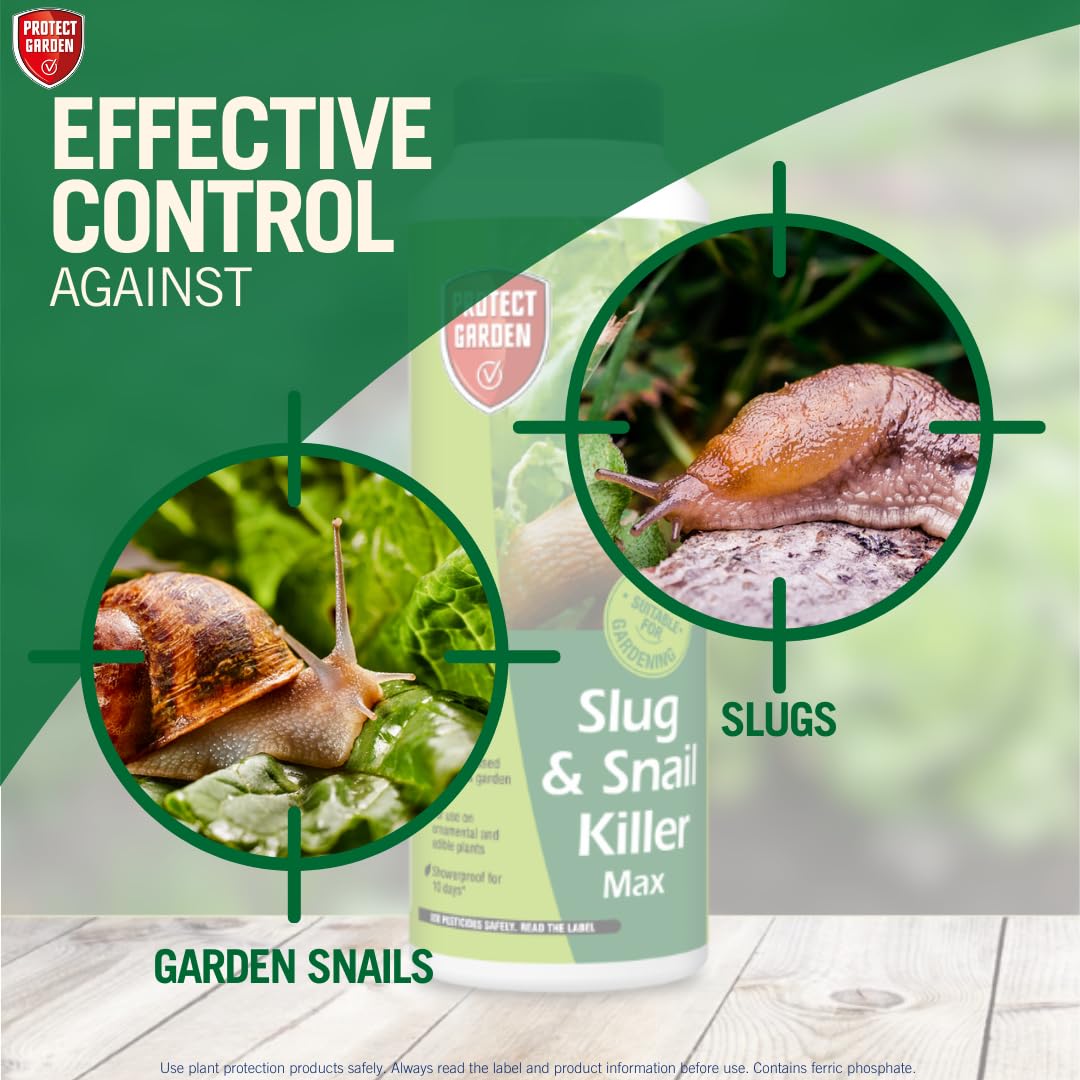
Read enough of these reviews back to back and a pattern jumps out. The happy buyers and the angry ones are rarely disagreeing about the same thing. The fans are talking about dead slugs. The critics are talking about who ate the pellets.
On the positive side, the language is emphatic. Ronnie, a five-star buyer whose area was, in their words, "absolutely COVERED in slugs and snails," wrote: "Since using these pellets for a month ive not seen a single slug or snail inside or around my house." (sic) Ksusha kept it shorter: "Wow.. it works really well.. My garden is full of dead slugs." Mr A D Lund reported that "Slugs disappeared pretty much over night. Bought this for several years running."
Then you hit the other camp, and the frustration is just as vivid. Matthew Weatherer, one star, opened with "I think they've sold me slug food?" and went on: "The little slimy cretins feast on my flowers at night surrounded by the pellets." Klz, also one star, decided their pests were built different: "My slugs and snails must be double hard or something as these do nothing." And a buyer signing off as Gardener wrote that "The slugs slide over these pellets without any reaction."
Both groups are describing the same product. So the useful question is not "do they work?" but "what makes them work for one garden and not the next?"
Why Some Gardens See Dead Slugs and Others Don't
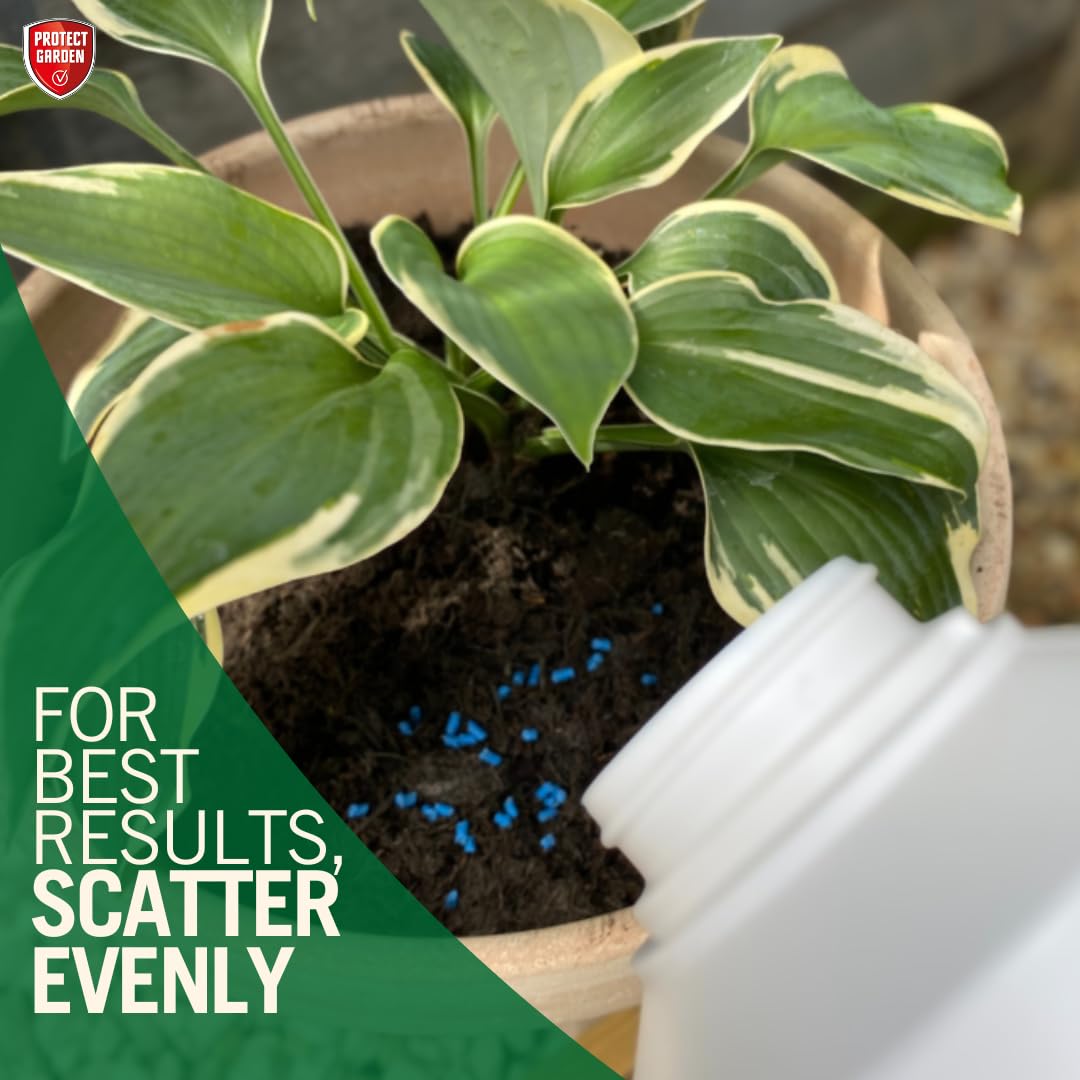
The most useful reviews are the ones from people who clearly understand how the pellets are meant to behave. These are not contact killers that drop a slug the instant it touches one. The slug has to actually eat a pellet, stop feeding, and go off to die, usually out of sight.
Anyi Wong, a five-star reviewer who left one of the most detailed accounts, explained it plainly: "I have seen slugs digesting them, and slowly drying up... It then stops the slugs from having hunger signals, and so they slowly starve to death, leaving just a faint trail of slime behind. You do have to reapply regularly, especially after a heavy rainfall, because the soil soaks them up." Zman confirmed the delay is normal: "a little patience is needed due to the slugs or snails having to eat the pellets," before adding a few days later, "I've noticed a number of slugs laying dead in areas they'd normally retreat from."
That single detail, the slugs crawl away to die rather than curling up in front of you, explains a lot of the one-star reviews. If you are checking the soil expecting a pile of corpses like the harsh old pellets used to leave, you may conclude nothing is happening when it quietly is. Ruprecht spelled out the method that seems to separate success from failure: "only use on top of already damp soil," reapply after "several weeks," and accept that "they disappear over time." The gardeners following that routine are overwhelmingly the ones leaving five stars.
Provanto Slug & Snail Killer Max 800g
Organic-approved slug and snail pellets that protect hostas, seedlings and veg beds. A generous 800g tub that most gardeners report lasting a full season.
The Real Complaint: Birds, Mice and Rats Got There First
Here is the objection that actually deserves your attention before you buy, because it is not about potency. It is about theft. A cluster of reviewers found that local wildlife treated the tub as a buffet.
An Amazon Customer titled their one-star review "Ideal as bird food" and explained: "it's all eaten by the local hoards of Wood Pigeons who seem to love it, so basically totally useless other than as a bird food." (sic) Bryn, two stars, noticed the same and framed it as a recipe change: "it now attracts birds who eat the pellets?? Glad they dont affect them BUT if the birds eat them then they don't reduce my Slug and snail issue." (sic) Vicki Wallis, three stars, had rodents instead: "Even though it prevent the snails and slugs Mice love them ! Had to stop using them in the end." (sic) And Bella Langdale went furthest with a blunt one-star headline about rats being the ones feasting.
This is worth taking seriously. But there is a fascinating counter-voice buried in the five-star pile. Insomniac Reviewer switched from another brand for exactly this reason and found the fix was the colour: "Bought another brand previously but due to the brown colour, they were being eaten by portions! Decided to try these and the fact these are blue pellets has meant no pigeons eating the pellets and no more slugs/ snails!" (sic) Several other happy buyers simply place the pellets out of reach. Vap61 does this deliberately: "I use in a covered area where the birds have no acsess." (sic) So the pellet-theft problem appears to be real but not universal, and it seems to depend heavily on your local bird and rodent population and where exactly you scatter them.
The Pet-Safety Wording People Are Fighting About
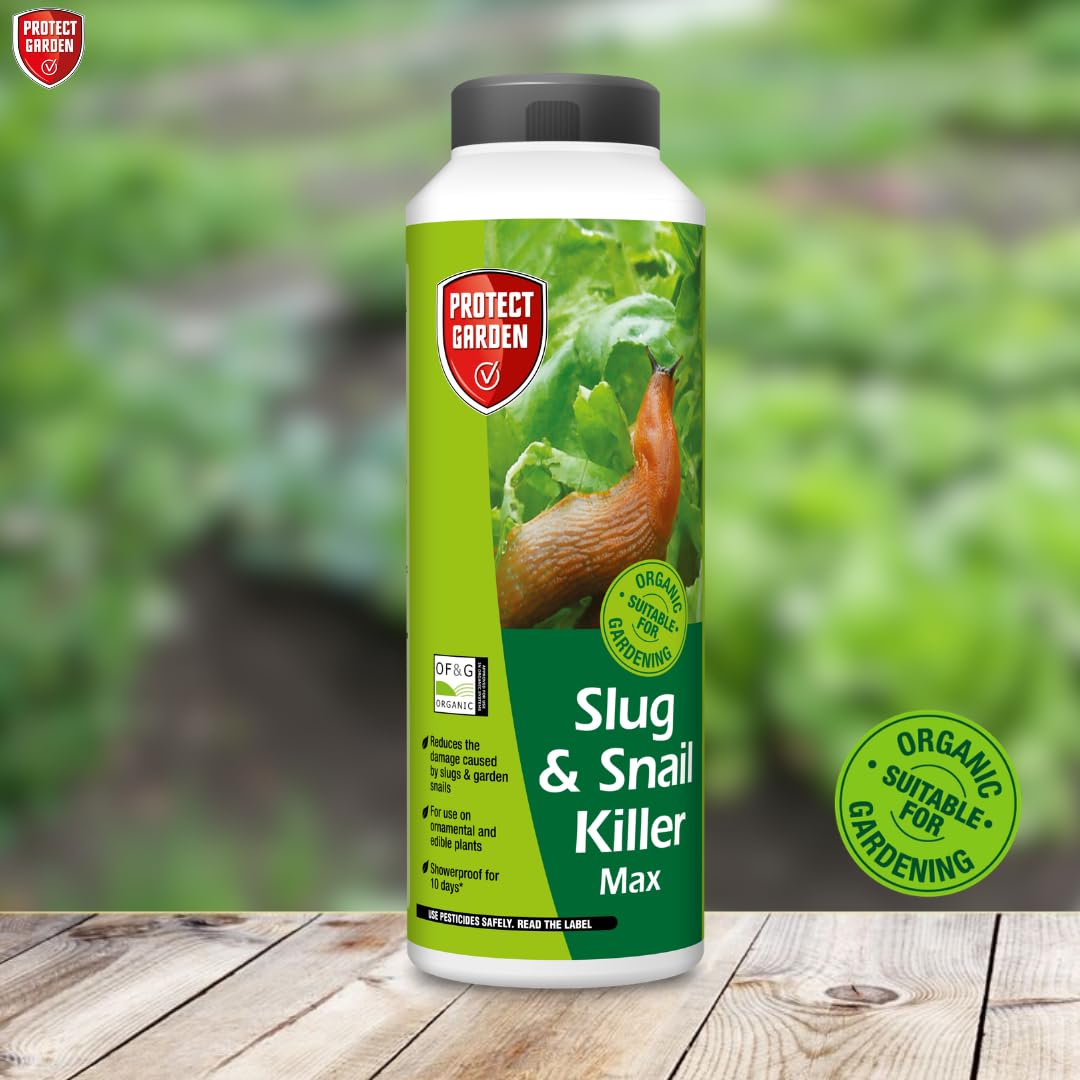
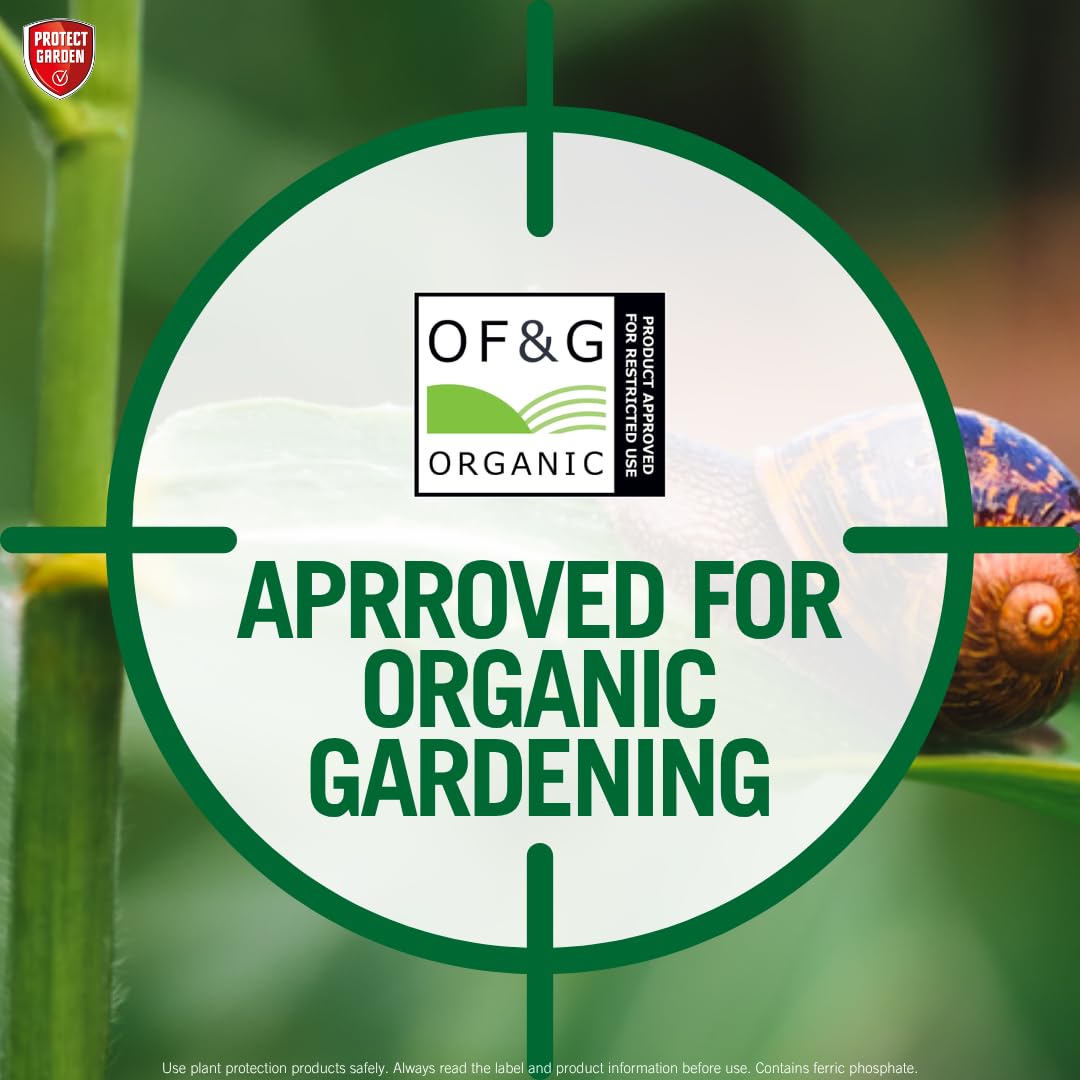
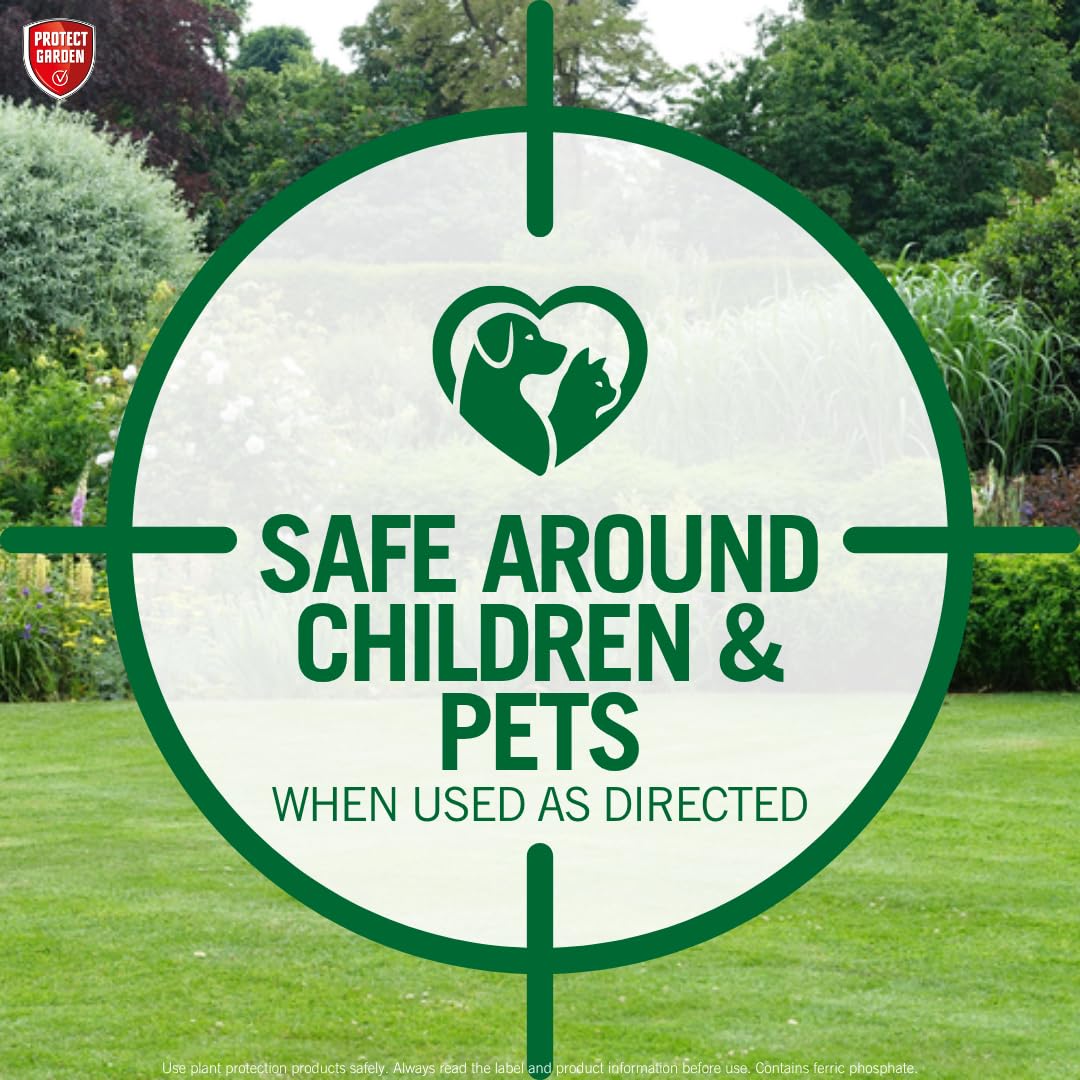
The listing describes the pellets as safe for use around dogs, pets and garden wildlife when applied as directed, and OF&G registered for organic growing. For most buyers that is a big part of the appeal. Jacky bought them specifically because they are "Ideal for pet owners." Ruprecht chose the brand "because it's not toxic to dogs/pets." Alba Rose, protecting hostas in pots with dogs in the household, watched their dogs sniff the pellets and lose interest, and rated the peace of mind highly.
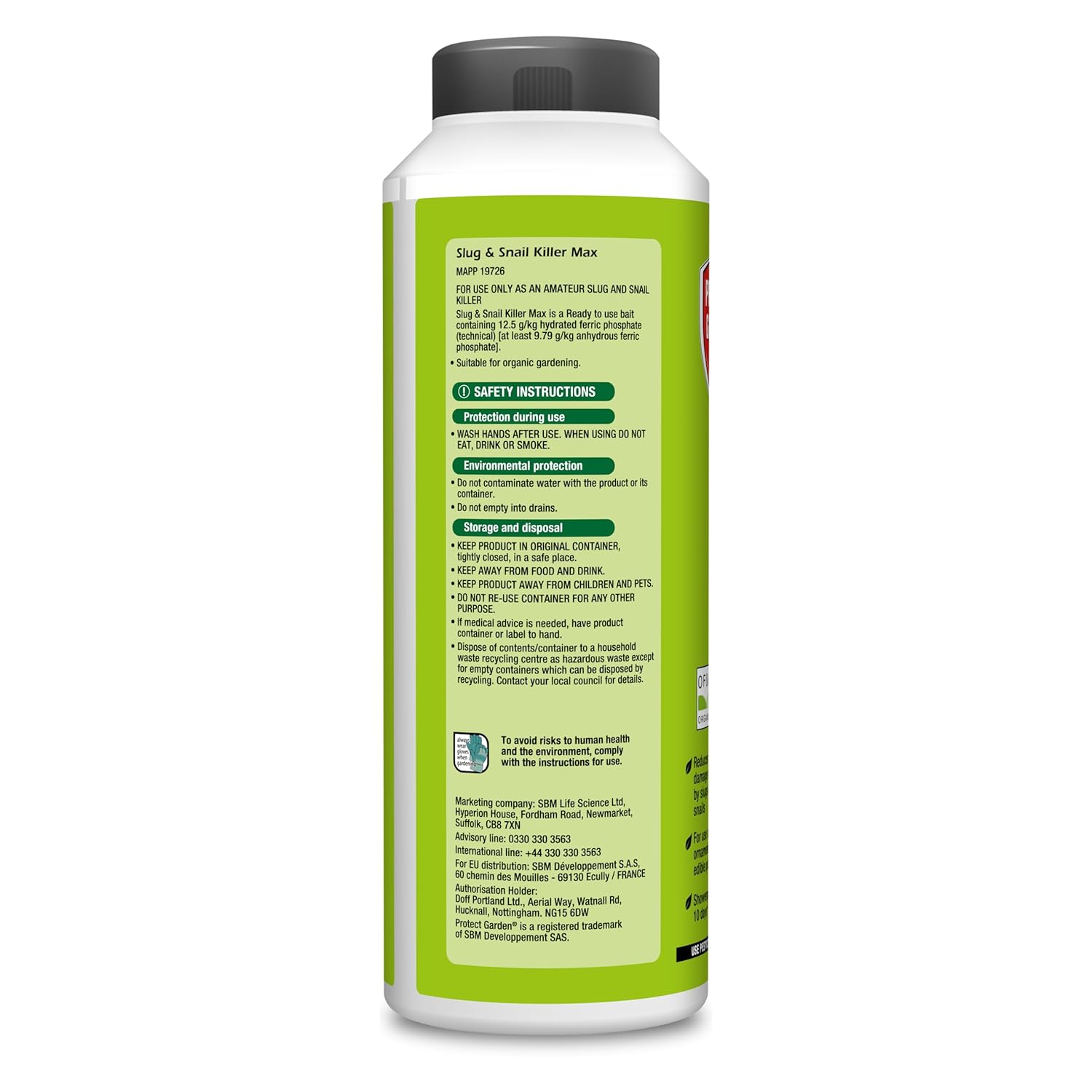
But a couple of reviewers feel the Amazon listing and the physical label do not line up, and they are angry about it. Derek E., one star, wrote: "I bought this product because it stated it was pet safe however it is not!! The wording on the product contradicts what it says on Amazon... this could have put my dog at risk!!" Tanya echoed it: "Says safe for pets it isn't. The instructions clearly say to keep away from pets."
Our read: the listing's safety claim is specifically "when applied as directed," and the on-pack instructions naturally tell you to keep pets away from a freshly scattered dose, as any responsible label would. Those two statements are not actually contradictory, but if you skim the headline and skip the instructions you can feel misled. The sensible move is the one Lynn Maloney took: she "warmed neighbours who have dogs, just in case" (sic) and followed the dosage. Read the pack, apply as directed, and keep curious dogs off the treated area until the pellets have done their work.
Mould, Value and the Tub Itself
Two smaller themes come up often enough to flag. The first is mould. Several buyers, including some who still rated the product highly, noticed the pellets go furry in damp conditions. Coxy, four stars, saw them "grow mould after only a couple of days" and was uneasy about it near "a food crop." Ronnie hit the same thing but shrugged it off: "Yes, they do go somewhat mouldy after a while (with moisture) but that goes away." (sic) If you are treating a veg patch, that is a fair thing to weigh, though several allotment growers note the pellets seem to break down into the soil over time and treat that as a plus rather than a problem.
The second theme is value, and here the reviews are close to unanimous. The 800g tub is repeatedly called bigger than expected. Bevsey wrote that the "Bottle so much larger than expected, def get moneys worth." (sic) Sophie Popplewell liked that "The cap makes dispensing the pellets easy," while one small dissent came from deirdre hunter, who found the lid "nearly impossible to open if your hands are even slightly arthritic or sore." At £7.96 for a tub that most people report lasting a full season, the price rarely draws a complaint. Allotment Man summed up the majority mood in four words: "Works well. Good price."
The Two Caveats to Weigh Before You Order
After 100 reviews, our position is that Provanto Slug & Snail Killer Max is a strong buy for most UK gardens, with two specific caveats you should go in knowing.
Buy it if you are protecting hostas, seedlings, veg beds or flower borders and you are willing to apply the pellets correctly: onto damp soil, reapplied after heavy rain, and given a few days before you judge them. That is the profile of nearly every delighted reviewer, and there are a lot of them. The organic registration and the pet-conscious formulation make it an easy pick for family gardens and allotments, provided you follow the on-pack instructions and keep pets off the fresh dose.
Think twice, or plan around it, if your garden is a magnet for wood pigeons, mice or rats. That is the one failure mode the reviews return to again and again, and no amount of correct application fixes a pigeon eating the bait before a slug can. If that is your situation, placing the pellets under cover or in a spot birds cannot reach, as several happy buyers do, is the difference between success and a tub of expensive bird food. For everyone else, at £7.96 this is a lot of slug protection for the money.
Provanto Slug & Snail Killer Max 800g
Organic-approved slug and snail pellets that protect hostas, seedlings and veg beds. A generous 800g tub that most gardeners report lasting a full season.