
Pelle & Sol 60L Multi-Purpose Compost: The Amazon Best Seller With a 2026 Quality Problem
We earn commission from qualifying Amazon purchases. It costs you nothing and does not affect what we recommend.
Pelle & Sol sits at #1 in Gardening Soils on Amazon UK with a 4.6 star average and more than 5,000 bags sold in the past month. But a cluster of 2026 reviews points to a hydrophobic, dust-like consistency that is catching repeat buyers off guard. We dug into the detail.
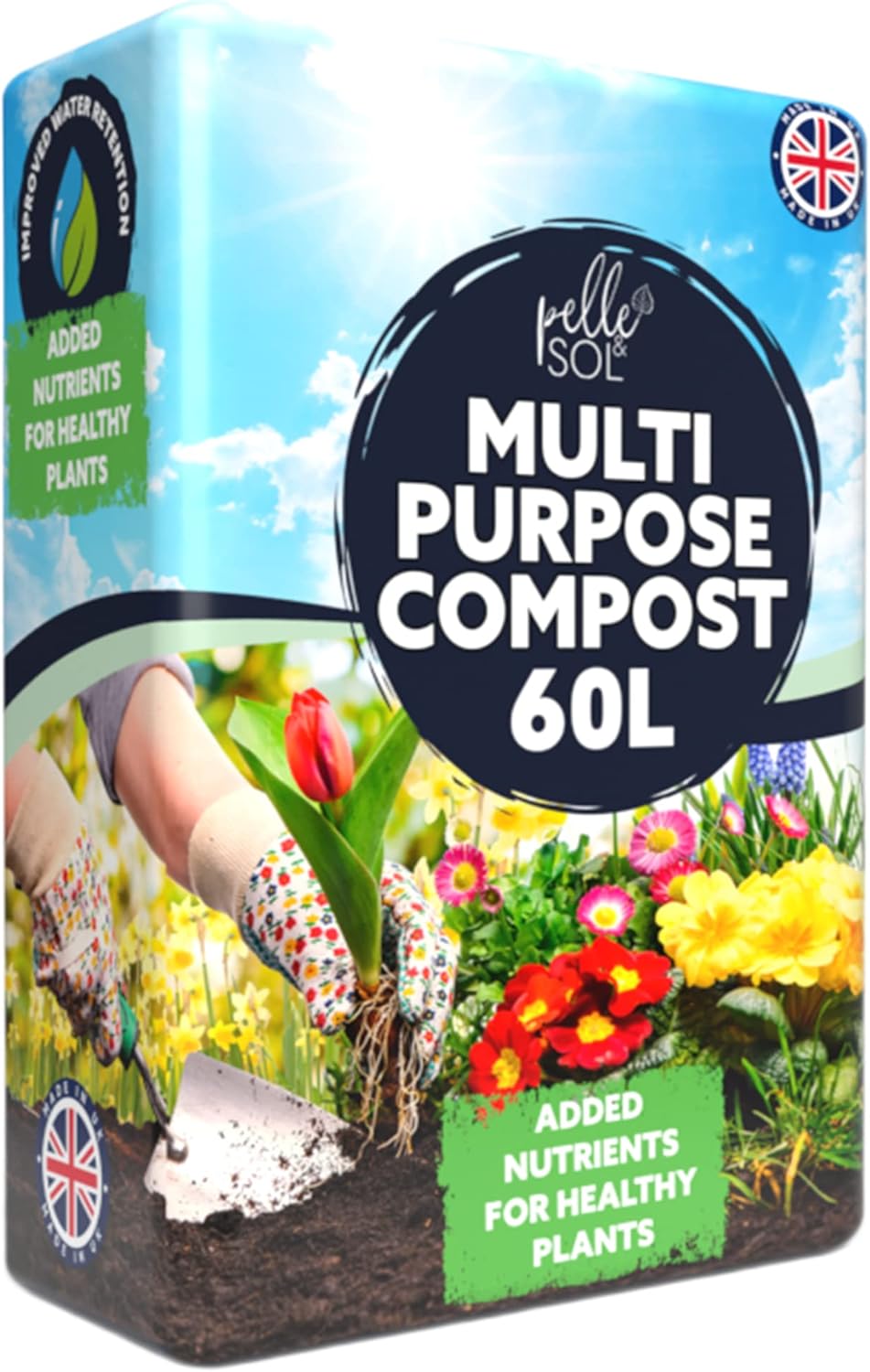
If you have scrolled Amazon UK looking for a cheap, do-it-all compost recently, you have almost certainly seen this bag. Pelle & Sol's 60L Multi-Purpose Compost is sitting at #1 in Gardening Soils, #10 in the entire Garden category, and has moved more than 5,000 bags in the past month alone. At £13.95 for 60 litres, that works out at roughly 23 pence per litre, which undercuts most of the familiar brand-name bags you will see at a garden centre by a wide margin.
The 4.6 star average across 5,550 ratings looks reassuring. But when you sort by most recent, something changes. A specific cluster of 1-star complaints keeps appearing in the latest reviews, often from people who bought the same bag last year and loved it. This review leans into that split. The good stuff is real value, but there is a batch problem in 2026 worth flagging before you commit to eight bags for a raised bed project.
What You Actually Get For £13.95
Pelle & Sol pitches this as a one-bag-does-everything compost. The label covers seeds, seedlings, vegetables, herbs, flowers, pots, raised beds, hanging baskets, and houseplants. The blend includes vermiculite, which is the lightweight mineral you find in potting mixes to help with drainage and moisture retention. It is marketed as peat-free, which matters if you are trying to shop in line with the UK's slow but ongoing move away from peat-based composts.
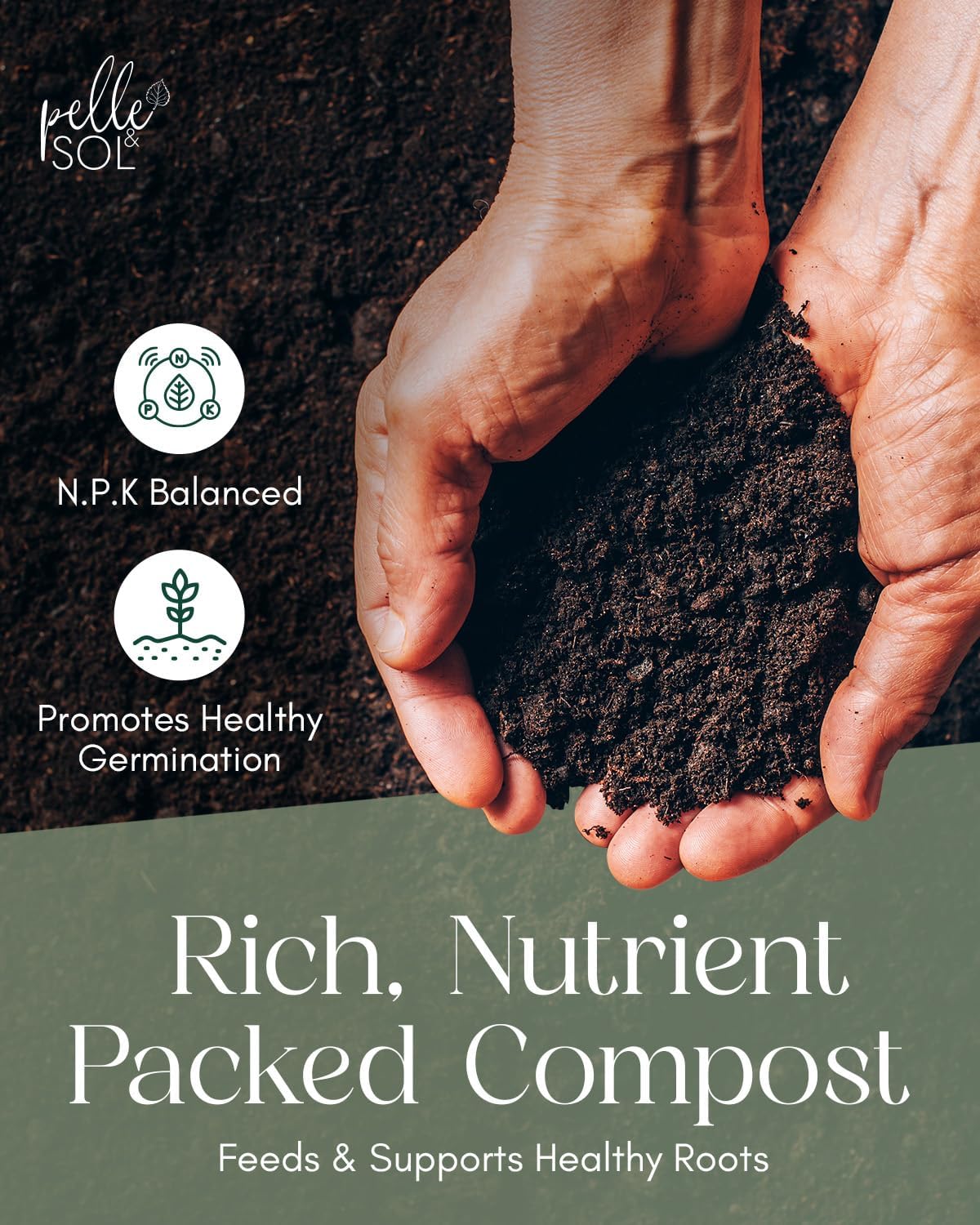
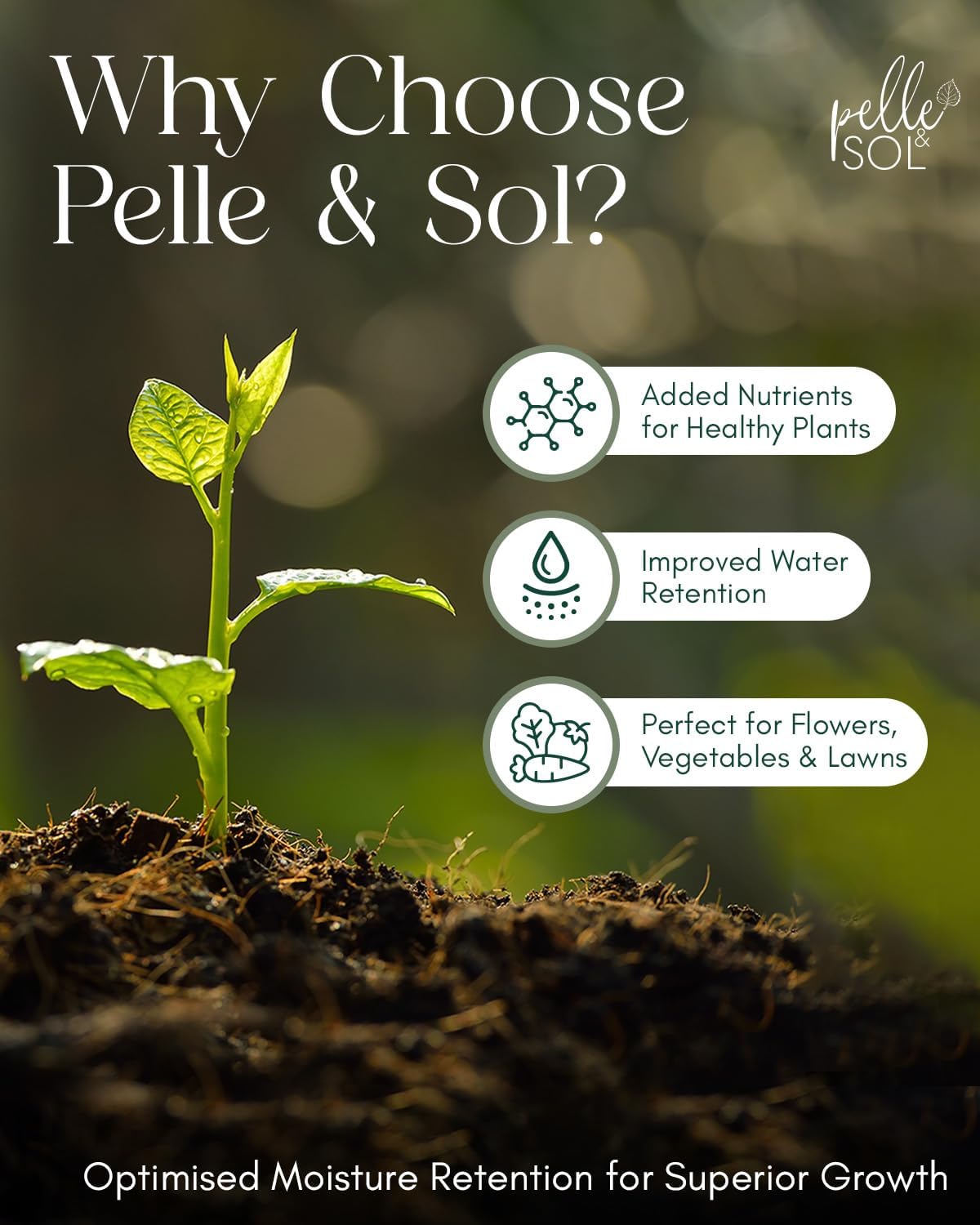
The marketing images lean on four claims: N.P.K balanced, improved water retention, added nutrients for healthy plants, and good germination support. There is no specific N.P.K ratio printed on the listing, which would be useful to know, so treat the nutrient claims as general multi-purpose level rather than anything precision-fed.
For context, a typical 50L to 60L bag from a garden centre in 2026 sits between £8 and £18 depending on brand and peat content. At £13.95 with an 18% discount from the £16.99 RRP, Pelle & Sol lands right in the middle of that range, but with the convenience of Amazon delivery to your door rather than wrestling the bag into a car boot.
The Quality Gap: Last Year's Buyers Are Not Happy in 2026
This is the bit that deserves your attention before you click buy. A meaningful share of the recent 1-star reviews are coming from people who bought Pelle & Sol last year, liked it, reordered, and received something that does not feel like the same product.
Pawel wrote in March 2026: 'It was fine last year but in 2026 it's so dry the water won't drain and stays on top of it in puddles creating a layer of mud which will harden into an unpenetrable shell. Nothing will grow in this. 8 bags wasted and too much hassle to return.' That is a customer who bought eight bags on the strength of last year's experience.
JBM echoed the same pattern: 'This is the 5th time I purchased this compost. 4 times happy and this one, the last one is practically not suitable for any gardening purpose. It looks good, but doesn't absorb water.' Similarly, Marie Mura noted sticks and twigs appearing in the bag that she had not seen in previous orders.
The signal is consistent enough that it reads like a batch or formulation change rather than scattered bad luck. If you loved the 2024 or 2025 version, know that the 2026 bag may not be the same compost you remember.
Pelle & Sol 60L Multi Purpose Compost
A budget peat-free compost with strong reviews from repeat buyers and a known 2026 batch issue. Good value for raised beds and containers when the bag is right. Order one bag first to test before committing to more.
The Hydrophobic Issue Explained
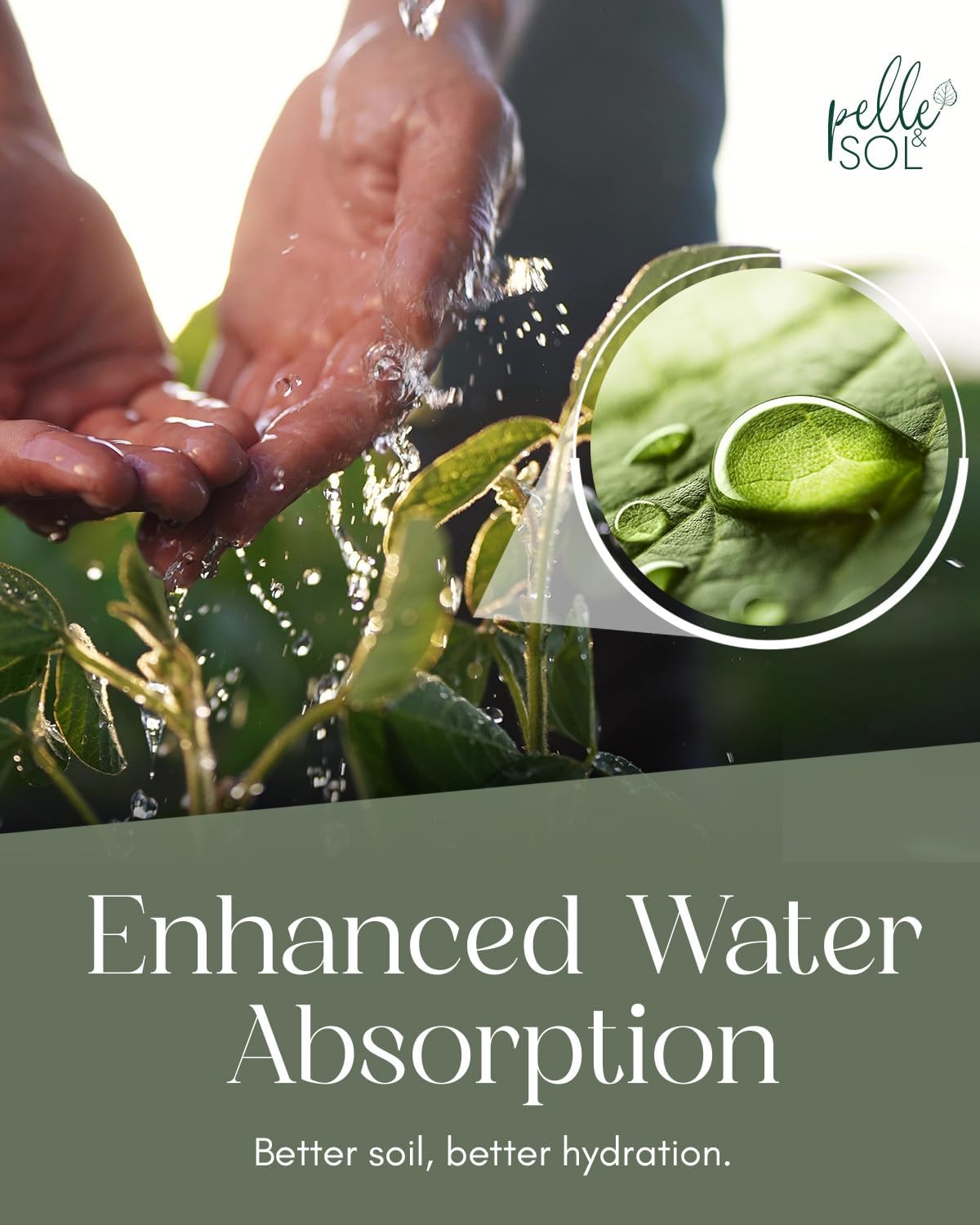
The single biggest complaint in the recent 1-star pile is that the compost repels water. Reviewer Lisa called it 'extremely hydrophobic' and walked away. Mathew Wallace wrote 'Absolutely useless - soil is hydrophobic, never had a new bag of compost repell water like this.' Susan Weekes reported the same: 'when you tried to water it just ran off the top.'
Hydrophobic compost is a known issue, not some mystery defect. When peat-free mixes dry out fully during storage or transit, certain organic materials (especially coir and over-processed wood fibre) can form a waxy surface that actively repels water. The fix, if you get a dry bag, is to mix a few drops of washing-up liquid into a watering can of warm water and soak the compost in a tub before potting. It breaks the surface tension and forces absorption. Not every buyer is going to want to do that to a compost they paid good money for, which is fair.
The other consistent texture complaint is dustiness. Irv C said it was 'very dusty and water sits on top.' J. Sheldrake compared it to cat litter. WendyG said it was 'basically dust.' That points to a bag where the organic fraction is too fine and lacks the chunky structure you want for good air pockets around roots. Fine enough for seed starting, potentially problematic for anything that is going to sit in a container for months.
When It Is Good, It Is Very Good
The 5-star reviews are not all one-line fluff either. DarronWales wrote one of the most detailed positive reviews: 'This is by some margin the best compost I have used. Smooth, slightly sandy for good drainage and just feels good. None of the high percentages of non composted bark you get elsewhere. Will buy again. Using mainly as a top layer on raised beds and a third of the layer of my potato pots. Good value in my opinion with all of the bags I purchased consistent.'
Blair from March 2026 gave a sensory breakdown most gardeners will recognise: 'Lovely compost. Breaks up easily, soaks up water quickly and has no smell. If you pull a handfull out of the bag it is quite warm to the touch which means it is still actively composting. Really good stuff.' A warm bag is usually a sign of live biological activity, which is what you want.
Repeat buying is the pattern for the happy customers. Simsh ordered a fourth bag. Suzie Harrington Wright is sticking with it after frustration with another brand. Sharon buys it every year. Eric Ellis ordered another two bags after the first. When Pelle & Sol gets it right, the product performs well enough to create real brand loyalty at a price point that usually produces one-and-done shoppers.
Best Use Cases (And Where It Falls Down)
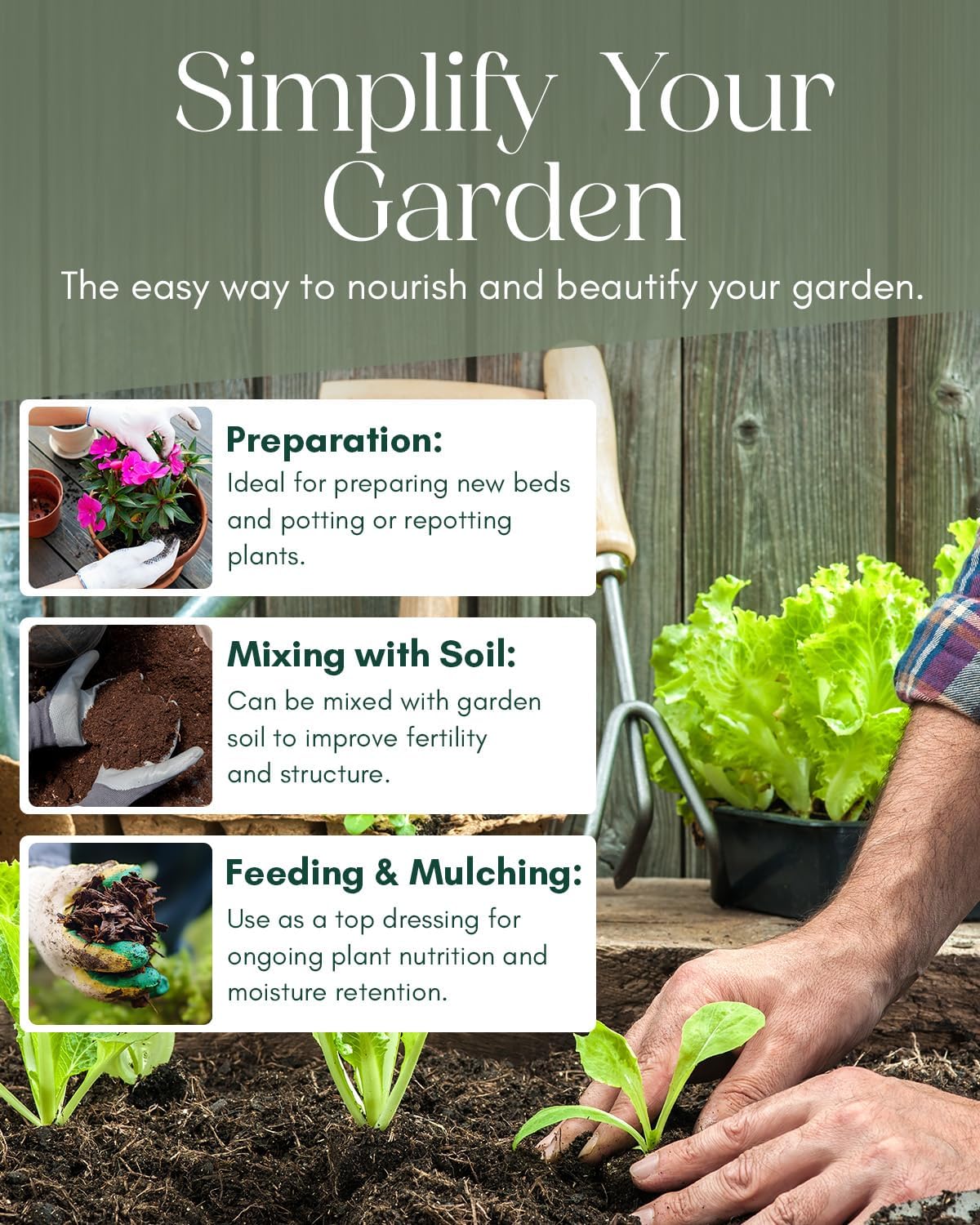
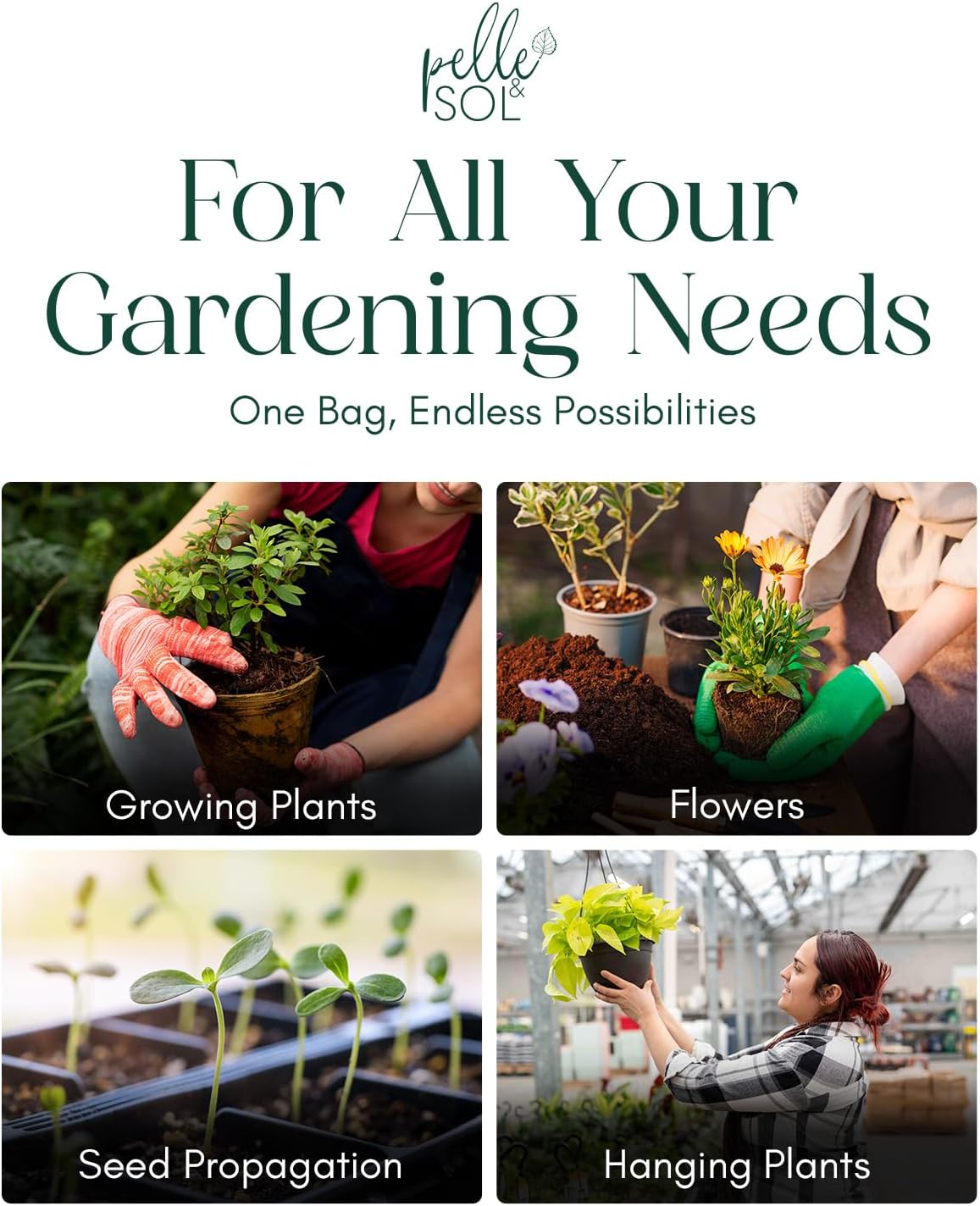
Based on the pattern of positive reviews, this compost works best as a bulk filler or top layer rather than the only growing medium in a small pot. DarronWales using it for a third of his potato pots and as a raised bed top layer is smart. You are getting the cost benefit of a cheap bag where volume matters without relying on it for the precision work.
For hanging baskets, tubs, and large containers, buyers like Katia (potted plants), Amy (great quality), and Kimbow (big bag and great rich quality) report solid results. Hanging baskets are forgiving because you water them frequently, which keeps hydrophobicity at bay.
Where it falls down most often is seed starting. Janet S. wrote: 'Awful product, like a power doesn't hold the moisture. When you water it the water sits on the top and underneath is bone dry. Do not use this I've lost so many seeds a seedlings with this already!' If you are starting tomatoes, chillies, or anything precious in small cells, a dedicated seed compost (not a multi-purpose) is the safer bet regardless of brand. Fine dust and seedling roots are not a happy match.
For UK conditions, the drainage profile should work for anyone battling heavy clay. If you are mixing this into a clay bed to lighten the texture, the lighter structure will help. If you are in the south-east on sandy soil already, you may want something with more moisture-holding body.
Made In UK or China? The Country of Origin Question
This one is going to annoy some buyers. The front of the bag carries a 'Made In UK' claim with a Union Jack logo. The Amazon product info table lists the country of origin as China. Those two things cannot both be true for the physical contents of the bag.
There are a few possibilities. Pelle & Sol may be a brand registered and packaged in the UK using imported raw materials, which is how a lot of budget garden products operate. Or the Amazon listing metadata may be a template error carried over from a different product variant. Or the packaging may be inaccurate. Without a clarifying statement from the seller, you are left to make your own call on which label to trust.
For most gardeners this will not change the buying decision, but if locally-produced compost is important to you (either for carbon footprint reasons or to support UK horticulture), the discrepancy is worth knowing about. The safer bet if origin matters is to buy from a UK compost producer like New Horizon, Westland, or Sylvagrow, where the supply chain is clearer.
Practical Buying Advice
If you are going to order this, a few ways to protect yourself against the 2026 batch issue.
Order one bag first. Do not commit to four or eight bags based on last year's good experience, because multiple reviewers who did exactly that are now stuck with compost they cannot use. Test one bag on a low-stakes job before scaling up.
Check the texture before you pot anything. If you open the bag and it is fine, dusty, and bone dry, do the washing-up liquid soak before committing seedlings to it. A big storage tub, warm water, a few drops of detergent, mix through, leave for an hour. Reset the compost before use.
Keep the Amazon order open for the full return window. Reviewers like Pawel who tipped eight bags straight into raised beds lost the ability to return them. If the compost behaves badly on first watering, return it while you still can.
Expect variability. The 4.6 lifetime star average reflects years of satisfied buyers, but the recent reviews show a clear drop. You are buying a product with quality control issues right now, alongside a strong value proposition when the batch is right.
Pelle & Sol 60L Multi Purpose Compost
A budget peat-free compost with strong reviews from repeat buyers and a known 2026 batch issue. Good value for raised beds and containers when the bag is right. Order one bag first to test before committing to more.