
How to Get Rid of Ants in the Garden (UK): A Calm, Practical Guide
Published 16 June 2026
Ants are usually a sign of a healthy UK garden and rarely need removing. This guide covers when to act, how to clear lawn nests, protecting pots and patios, and natural deterrents that genuinely work.
We earn commission from qualifying Amazon purchases. It costs you nothing and does not affect what we recommend.
Quick Answer
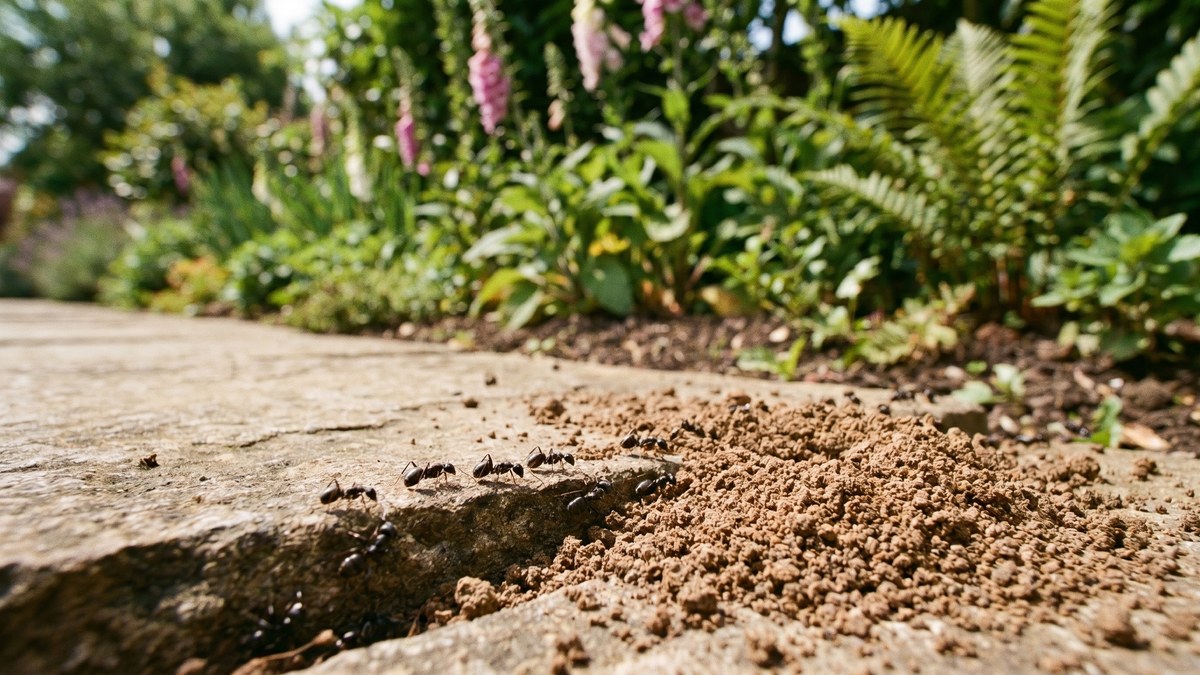
In most UK gardens, ants do little direct harm and are best tolerated - they eat pests and aerate the soil. Step in only when nests genuinely cause problems: lifting low plants, scattering soil across the lawn, or invading pots and patios. The most reliable approach is to brush off nest heaps before mowing on a dry day, soak troublesome nests with the lawn well watered (ants dislike damp ground and often move on), water in Steinernema feltiae nematodes where soil is being pushed up, and reserve a targeted ant killer powder or bait for the few nests near patios, doors and containers that you can't live alongside.
Few garden sights divide UK gardeners quite like an ants' nest. Spot a heap of fine soil rising through the lawn or a steady column of ants marching along the patio, and the instinct is to reach for something to kill them. In truth, ants do very little direct harm in most gardens - they prey on pests, clear away weed seeds and turn over the soil - and a settled colony is often a sign of a healthy plot rather than a problem to fix.
That said, there are times when ants genuinely get in the way: nests that lift low plants, soil heaps that make the lawn impossible to mow neatly, columns marching into the house, or ants farming aphids on a prized plant. This guide takes a calm, practical UK approach: how to decide whether to act at all, how to clear and level nests on the lawn, how to treat the stubborn nests near pots and patios you can't live with, and how to use natural deterrents - so you only intervene where it actually matters.
Decide whether the ants actually need removing
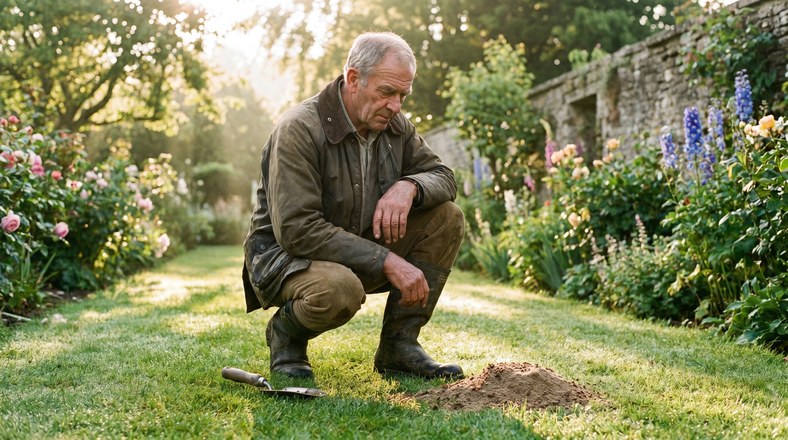
Before reaching for any treatment, work out whether these ants are a genuine problem or just part of a healthy garden. Most UK garden ants - the familiar black garden ant (Lasius niger), the yellow meadow ant (Lasius flavus) and the red ant (Myrmica rubra) - do almost no direct damage to plants. They prey on other invertebrates, clear away weed seeds and organic waste, and turn over the soil as they tunnel. A garden with a settled ant colony is often a healthier one.
The honest answer is that you'll rarely drive ants out completely. Destroy one nest and a passing queen usually claims the territory and starts another. So instead of declaring war on every nest, draw your own lines: which areas can you happily share, and which are genuine no-go zones? Reasonable reasons to act include nests pushing soil over low plants or making a lawn too lumpy to mow, ants streaming into the house or a child's sandpit, or ants farming aphids on a prized plant. Everywhere else, leaving them be is usually the right call - and the least work.
Clear and level ant nests on the lawn
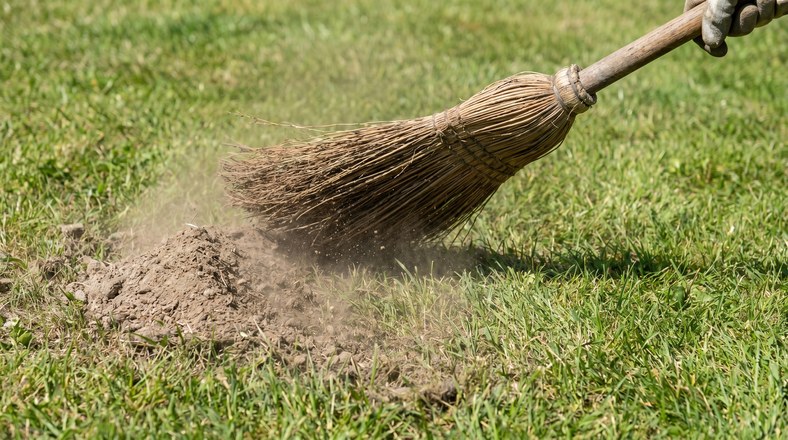
The most common complaint is fine heaps of soil appearing on the lawn where worker ants excavate their nest. These get in the way of the mower and can smother low-growing grass. The simplest fix costs nothing: on a dry day, before you mow, brush the loose soil heaps flat with a stiff broom or a besom. Doing this while the soil is dry stops the mower smearing wet earth across the turf and discolouring it.
If years of ant activity have left the surface genuinely uneven, deal with it properly in winter when the ants are dormant and less likely to simply rebuild. Peel back the turf over the raised areas, scrape away the excess soil underneath, then firm the turf back down and water it in. For a small lumpy patch you'd rather reseed, level the ground first and oversow once the soil warms in spring.
One trick UK gardeners swear by costs almost nothing: ants dislike wet ground. Keeping a troubled area of lawn well watered through dry spells often persuades a colony to move somewhere drier on its own, no chemicals needed.
Treat persistent nests and protect pots and patios
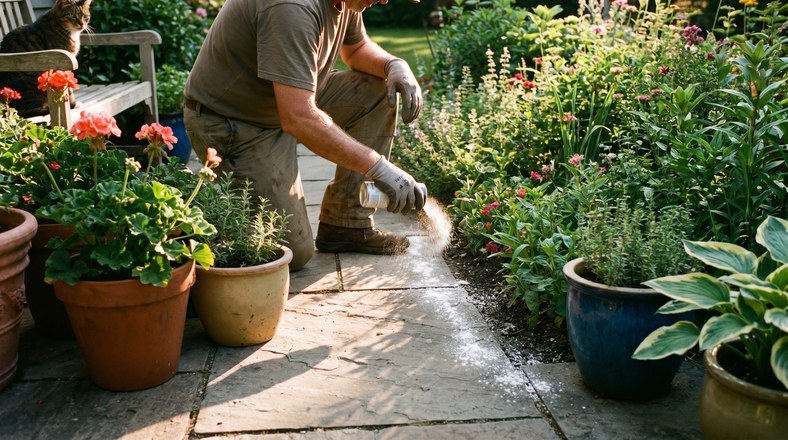
For the stubborn nests near patios, doorways and containers that you genuinely can't live with, step up to a targeted treatment. Pouring a kettle of boiling water directly onto the nest entrance knocks a colony back, though you'll usually need to repeat it. A reliably effective option for paving and pot edges is an ant killer powder or bait: workers carry the bait back underground and share it, which reaches the queen rather than just the ants you can see. A tub such as the Zero In Ant Killer Powder 450g is the kind of cheap, targeted product worth keeping for exactly these spots - just be patient, as buyers note stubborn nests can take more than one application.
Containers are a special case. Ants often move into a pot because the nest has outgrown its space and the dry compost suits them, and their tunnelling disturbs the roots. The kindest fix is to lift the plant, gently wash the old compost and ants away, and repot into fresh compost. Watering pots more regularly through summer also makes them far less inviting. To deliver soapy water or a diluted treatment precisely into a nest entrance, a Spear & Jackson 5L pressure sprayer lets you push the liquid where it's needed without flooding the whole bed.
Use natural deterrents and tackle the aphids ants farm
If you'd rather avoid chemicals, the most effective natural route on lawns and beds is biological control. Water the pathogenic nematode Steinernema feltiae - available from biological control suppliers - into the soil exactly where ants are pushing earth to the surface. These microscopic worm-like creatures disturb the colony enough that it often relocates. Apply them with a watering can or sprayer when the soil is warm and moist for the best results, and bear in mind they can affect some non-target insects too.
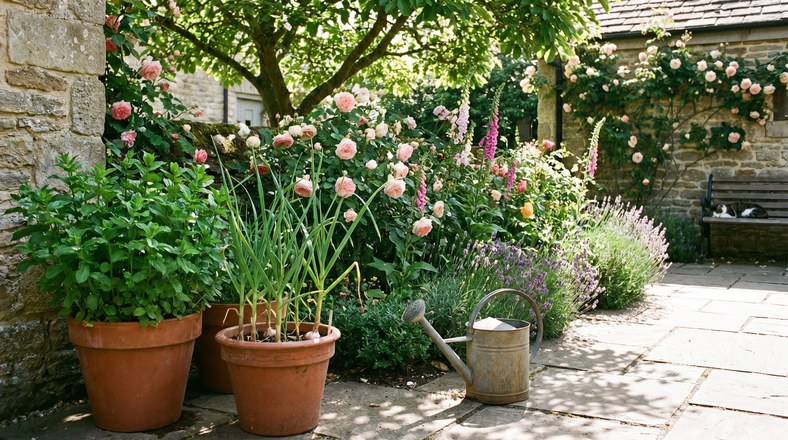
Strong scents can also help nudge ants away from favoured spots: many UK gardeners grow mint or garlic in pots near problem areas as a mild deterrent, and diatomaceous earth worked into nest entrances is a popular low-toxicity option. The other half of the job is often overlooked: ants are usually present in numbers because they're farming aphids for honeydew, protecting them from ladybirds. Knock back the aphids and you remove the food source that's drawing the ants up your plants in the first place. A contact treatment such as the Provanto Ultimate Bug Killer 1L clears aphid colonies on ornamentals, which often quietly reduces the ant traffic along the stems.
Frequently Asked Questions
Should I get rid of ants in my garden at all?
In most UK gardens, no. The common garden ants do almost no direct damage to plants, and they prey on other invertebrates, clear away weed seeds and turn the soil over as they tunnel, so a settled colony is usually a sign of a healthy plot. Step in only where a nest genuinely gets in the way: soil heaps smothering low plants or making the lawn impossible to mow neatly, ants streaming into the house or a child's sandpit, or ants farming aphids on a prized plant.
Why do ants keep coming back after I destroy a nest?
Because destroying a nest clears the ground rather than the ants. A passing queen usually claims the vacant territory and starts a fresh colony, which is why you will rarely drive ants out of a garden completely. It is also why a treatment that only kills the workers you can see falls short: a powder or bait that the workers carry back underground reaches the queen, and even then a stubborn nest can take more than one application.
What gets rid of ants in the garden naturally?
The most effective natural route on lawns and beds is watering the pathogenic nematode Steinernema feltiae into the soil exactly where ants are pushing earth to the surface, applied when the soil is warm and moist. Simpler measures help too: ants dislike wet ground, so keeping a troubled patch well watered often persuades a colony to move on, and a kettle of boiling water poured into the nest entrance knocks one back. Mint or garlic grown in pots nearby and diatomaceous earth worked into nest entrances are popular low-toxicity deterrents, and clearing the aphids removes the honeydew that draws ants up your plants in the first place.
How do I stop ants nesting in my plant pots?
Dry compost is the attraction, so the fix is fresh compost and more water. Ants often move into a pot because the nest has outgrown its space and the dry compost suits them, and their tunnelling disturbs the roots. Lift the plant, gently wash the old compost and the ants away, then repot into fresh compost. Watering your containers more regularly through summer makes them far less inviting.
Related Reading
- Zero In Ant Killer Powder review
- Spear & Jackson 5LPAPS Pressure Sprayer review
- Provanto Ultimate Bug Killer review
- How to Get Rid of Fungus Gnats in Houseplants (UK Step-by-Step Fix)
- What Order to Do Lawn Care in the UK (Scarify, Feed, Seed - The Right Sequence)
Disclaimer: This article contains Amazon affiliate links. We may earn a small commission from qualifying purchases at no extra cost to you.