
Houseplant Focus Repotting Mix: Lovely Soil Until the Fungus Gnats Hatch
We earn commission from qualifying Amazon purchases. It costs you nothing and does not affect what we recommend.
One bag repots a fussy prayer plant that pushes out new leaves for weeks. Another hatches fungus gnats into every pot in the flat. We read the 100 most recent UK reviews to find out how often each happens, and what the 4.4-star badge doesn't tell you.
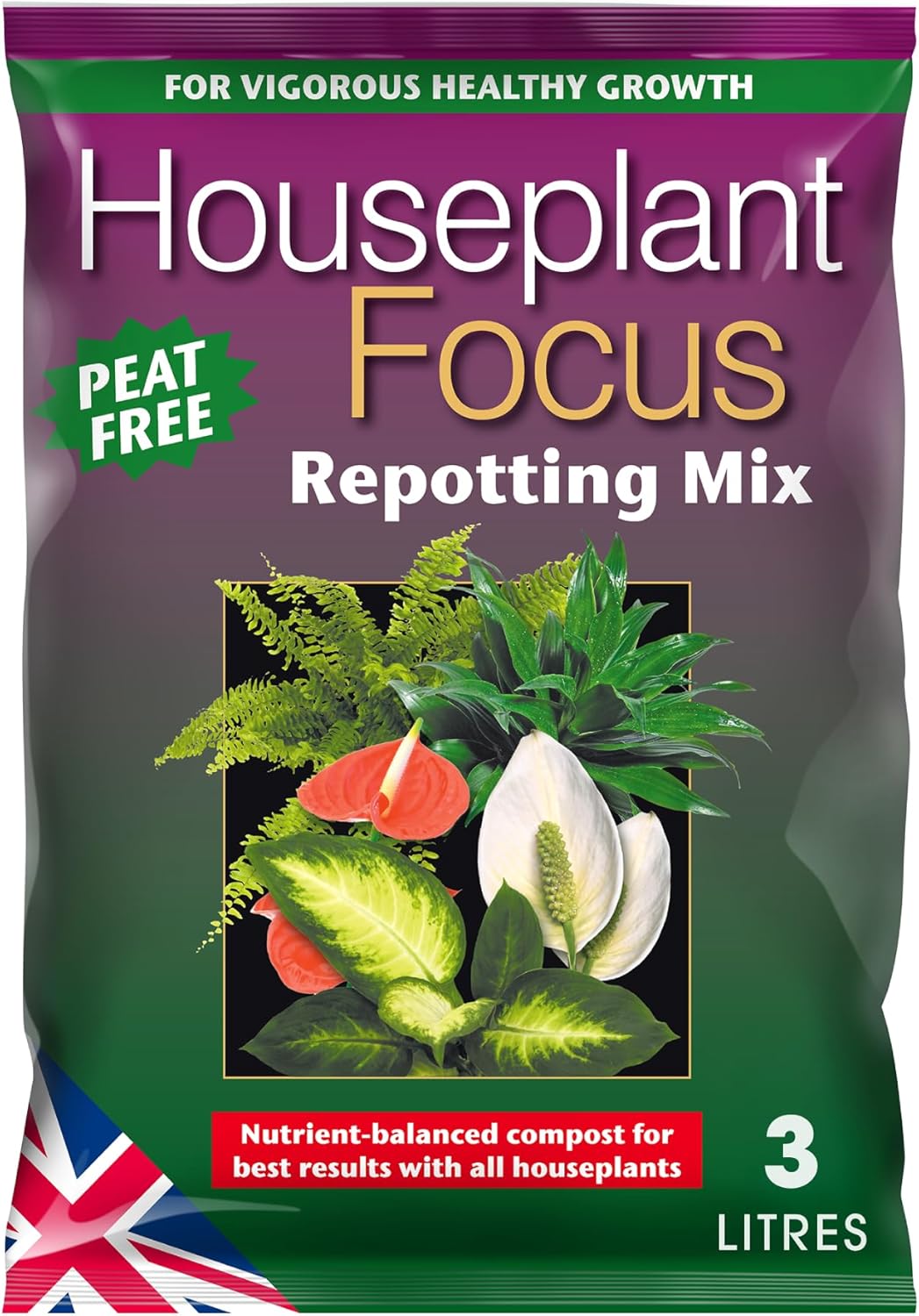
The same purple 3-litre bag sits behind two completely different stories. In one, a buyer repots a fussy prayer plant, watches new leaves unfurl for weeks, and comes back for a second bag. In the other, the compost starts moving: fungus gnats, larvae and, in one report, caterpillars hatch out of the soil and spread through every pot in the house. We read the 100 most recent UK reviews of Growth Technology's Houseplant Focus Repotting Mix to work out how often each story happens, and the split is stark. 59 five-star reviews sit alongside 23 one-star ones, and 14 of those 100 buyers report insects in the soil. When it arrives clean, this is one of the better houseplant composts you can have delivered to your door. Whether we would risk ordering it is a closer call, and we will show the working below.
A Free-Draining, Peat-Free Blend Built for Indoor Pots
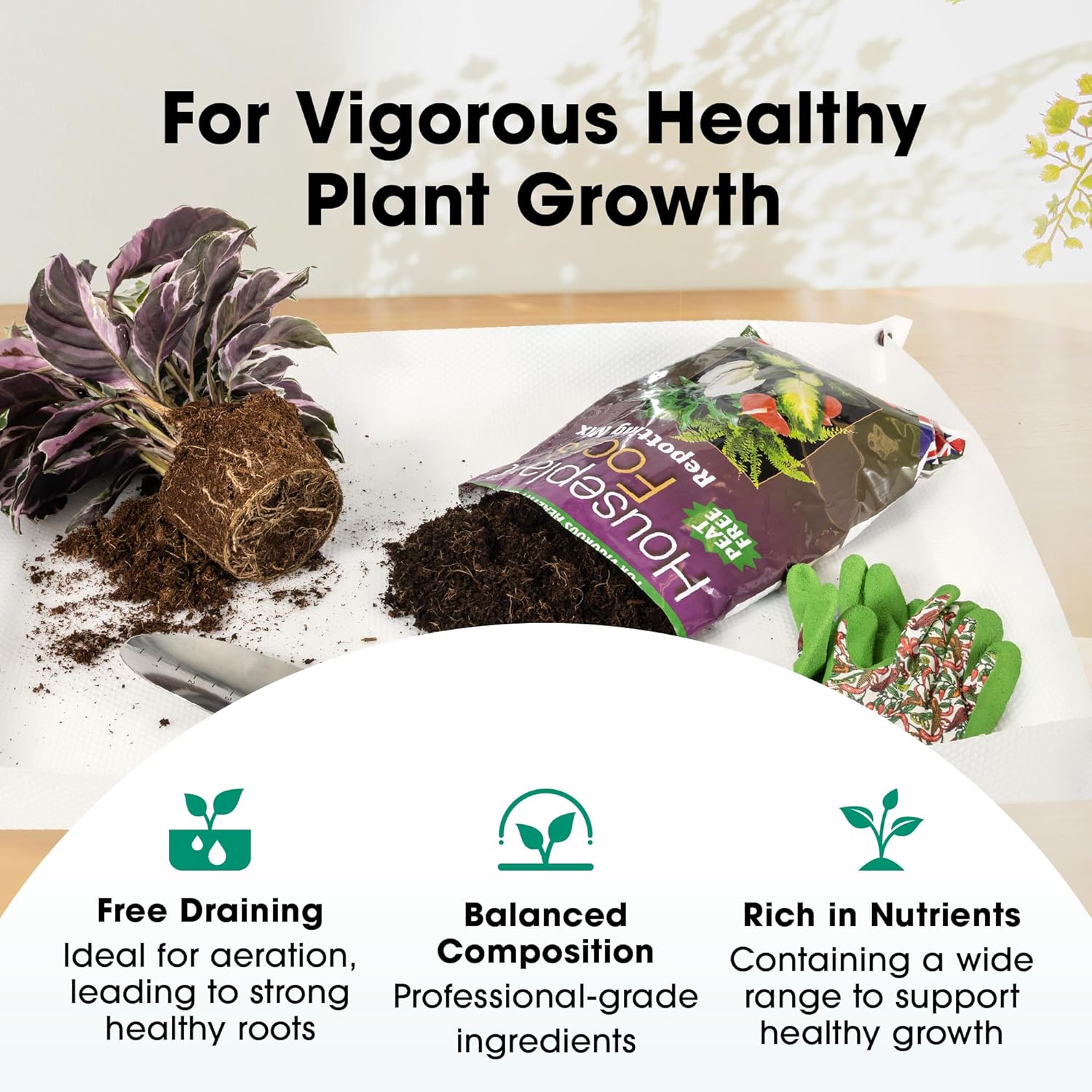
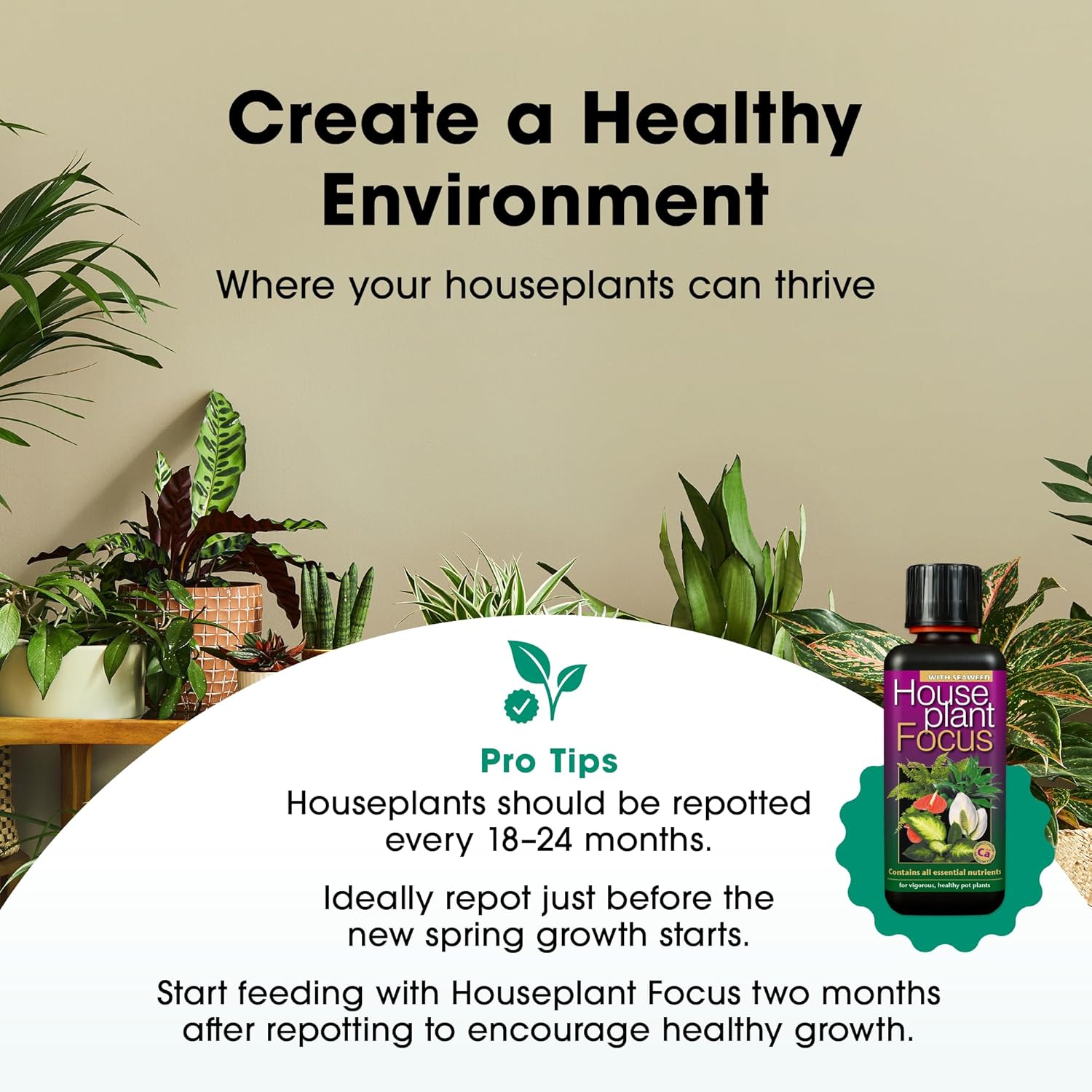
Growth Technology is a British family business that calls itself "the houseplant care specialists", and this is its general-purpose indoor blend: peat-free, free-draining and pre-loaded with a balanced nutrient charge that feeds a plant for up to 2 months. After that you switch to a liquid feed, and the maker's guidance is to repot every 18 to 24 months, ideally just before the new spring growth starts. For UK growers that points at a March or April session, when light levels lift and a plant can root into fresh mix quickly rather than sulking in it over winter. The label stretches beyond houseplants too: palms, bedding plants, tomatoes, containers and hanging baskets all get a mention, and the same mix is sold in 8-litre and 25-litre bags for bigger jobs.
The texture draws the most comment from buyers who rate it highly. Martin B Hollands, a 4-star reviewer, found it "nice and fine without lumps", and the most-upvoted review in our sample, a 4-star from Jemma, called the compost "nice and light with lots of drainage stones", adding "It absorbs the water really well, it doesn't just run out of the bottom". That combination, open enough to drain freely but absorbent enough to hold moisture around the roots, is what you want in a pot that sits in a heated UK living room and gets watered on an irregular schedule. Free drainage is also the maker's main pitch: the blend is designed to keep air around the roots and cut the risk of waterlogging and root rot, which kill more houseplants than any pest does. On paper, and in most bags, this is a well-designed product.
Fourteen Reports of Gnats, Flies and Larvae in the Bag
Now the bad news. 14 of the 100 most recent UK reviews report insects in or hatching from this compost: fungus gnats and small black flies in most cases, plus larvae, hard black eggs and one report of caterpillars. Every one of those 14 reviews is rated 1 star, which makes infestation the largest single failure cluster in the sample, accounting for 14 of its 23 one-star ratings. The reports run from February 2025 through to May 2026, so this is not a single bad batch that has since been cleared through.
The accounts follow a pattern: the compost looks fine going in, then days or weeks later the flies appear. Stephanie Hobbs, a 1-star reviewer, wrote: "Have kept plants for many years and never had a problem with fungus gnats until I bought this soil." Another 1-star buyer, Han, used several bags across a collection and reported that "every single one of these bags were contaminated and infested with fungal gnats", an infestation that took "the best part of a year" to control; they have "since stuck to soil from B&Q and had no issues whatsoever". For anyone new to the term, fungus gnats are small black flies that breed in damp compost. The larvae feed on organic matter and fine roots, and a warm room with moist topsoil is perfect breeding habitat. Peat-free blends carry more composted organic material than the sterile mixes of old, so they attract gnats more readily in general, but a 14-in-100 report rate is high by any standard. One buyer did travel in the opposite direction: Kate, a 4-star reviewer, repotted specifically to escape the flying pests in her previous soil and reported "So far so good" with no sign of them since.
Houseplant Focus Repotting Mix, 3L
A fine, free-draining peat-free mix most houseplants thrive in - just quarantine the repot for a fortnight and keep sticky traps handy.
The 3-Litre Bag That Buyers Keep Weighing
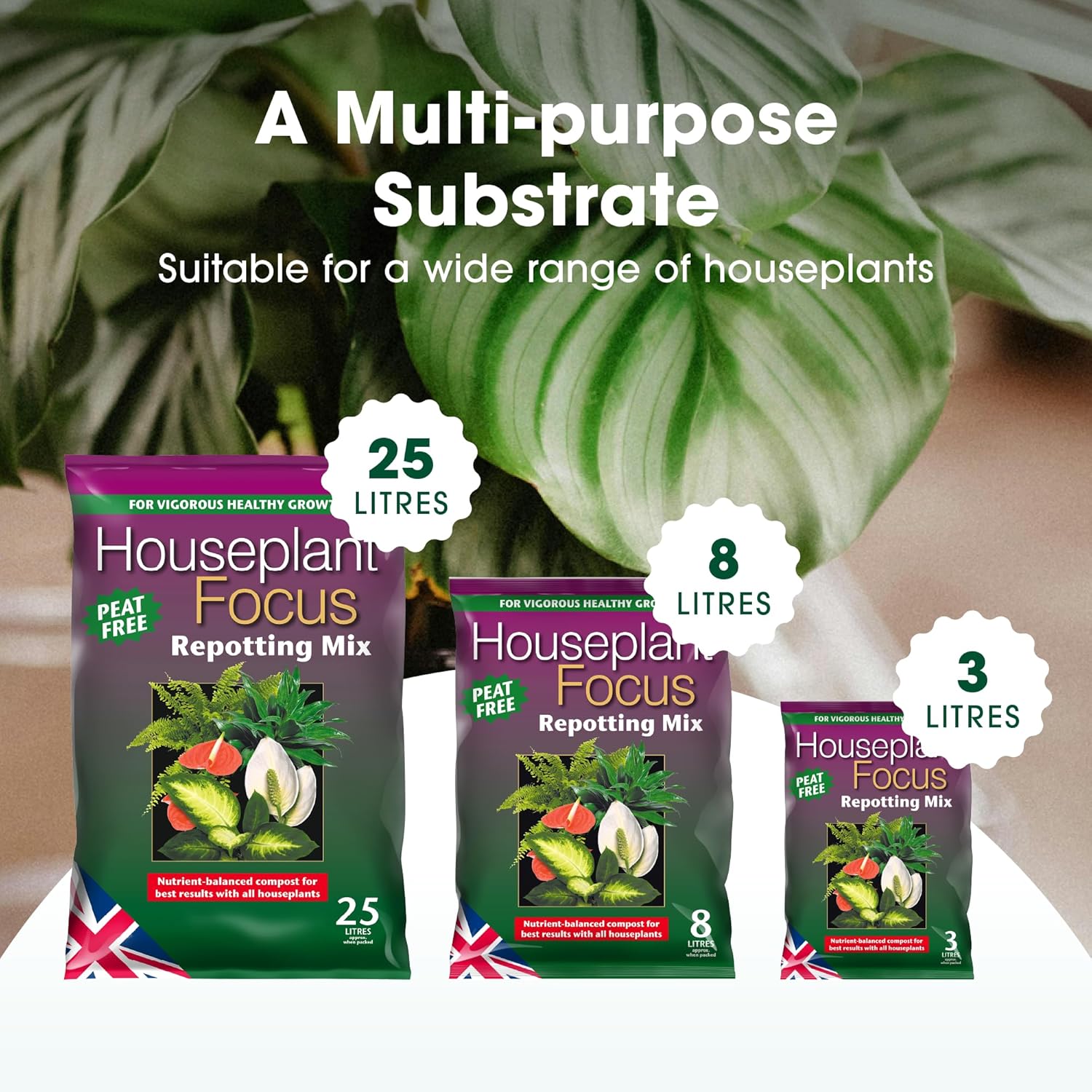
The second complaint cluster is about how much you get. 16 of the 100 reviews mention the bag's size or how full it arrives, and 8 of those are 1-star ratings. Alicja weighed hers: "Since when 3 litres of soil weigh less than 1 kilogram. This amount of soil delivered won't fill a small plant pot!" kay griffiths felt the same: "I thought I was getting 3 litres pack. When it arrived it was 1 litre. I don't mind paying a premium price for a premium product, but feel like I have been ripped off."
Some context before you judge. Compost is sold by volume, not weight, and a light peat-free blend can come in under a kilogram for 3 litres without any short measure. The bag itself prints "3 litres approx. when packed", and loose compost settles in transit, so an accurately filled bag can still arrive looking half slack. Even so, set your coverage expectations low: one 5-star buyer found it stretched to just 2 of her houseplants, and a 1-star reviewer found it enough for just one small pot. If you have a shelf of plants to work through, the 8-litre or 25-litre version is the sensible order. The flip side is that the small format is exactly why some buyers choose it. Marian, 5 stars, put it plainly: "I don't want 40/50 litres when I live in a small flat", and another 5-star reviewer with health issues picked this bag specifically because it is light enough to lift comfortably. Same bag, opposite verdicts, depending on what you expected through the letterbox.
Prayer Plants, Propagation and Seventy Happy Buyers
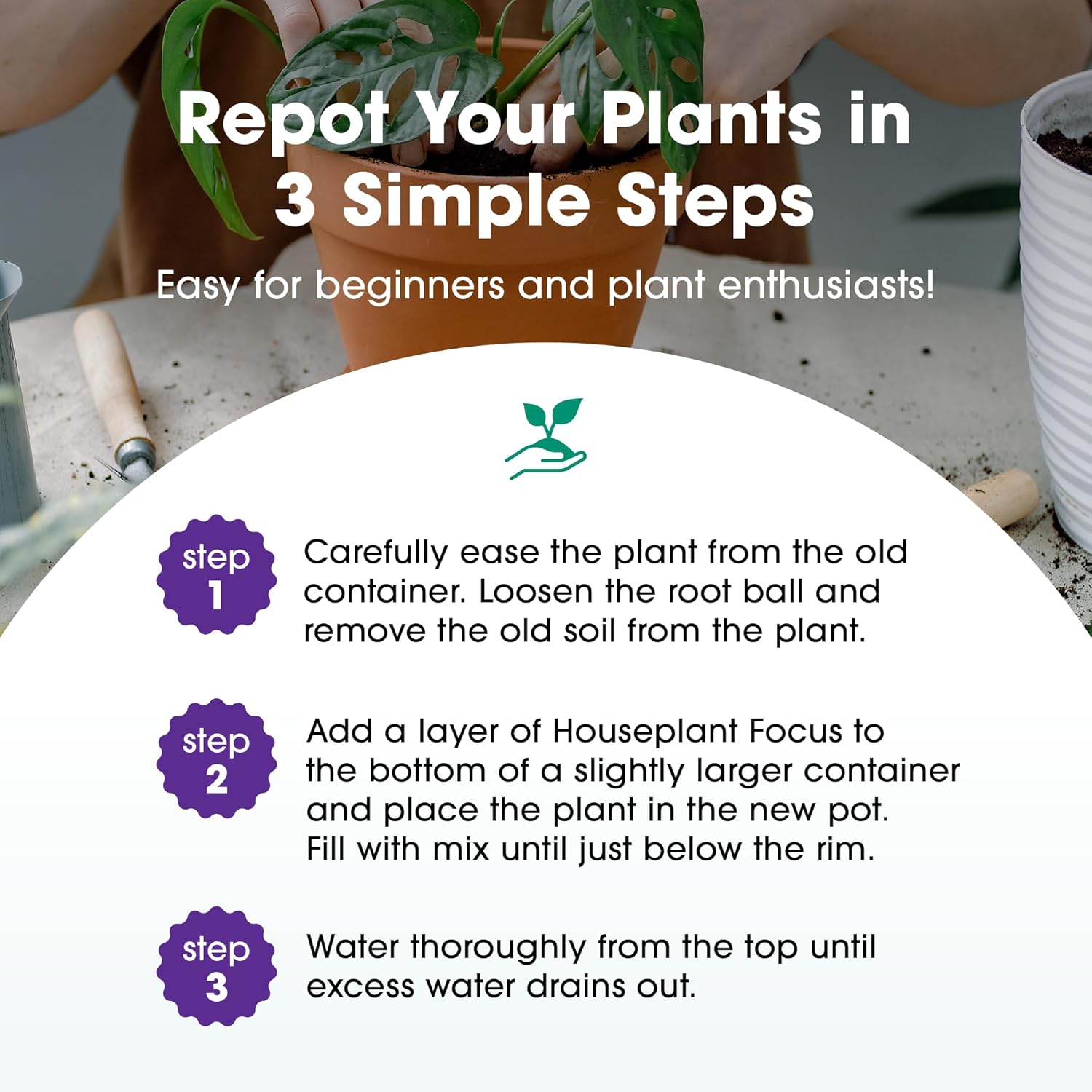
Set the two complaint clusters aside and this is a well-liked product: 70 of the 100 most recent reviews rate it 4 or 5 stars, 59 of them the full 5. The successes cover plants UK owners actually struggle with. Joanna Grafton repotted a prayer plant, "a notoriously picky and fickle indoor plant! And it loves it, I've had several new leaves through since then". ShopperJo used it for propagating cuttings and praised the consistency as "fresh, easy to handle, and not dusty when pouring or potting", with young plants staying healthy rather than sitting waterlogged.
Beginners feature heavily among the happy buyers. One new plant owner repotted a gifted money plant and peace lily and reported both had grown noticeably since; another simply came back and bought a second bag. Across the positive reviews you find monstera, calathea, philodendron, ficus trees and even a lemon tree, which squares with the multi-purpose billing on the packet. The quiet signal in this group is repeat purchase: a couple of the 4 and 5-star reviewers describe themselves as returning customers, and one gardener specifically chose it over her own garden compost to avoid importing worms and slugs into the house. When the bag arrives clean, the mix does what the label promises, and it does it for the fiddly, dramatic species as well as the easy ones.
Why the 4.4-Star Badge Overstates Today's Odds
The listing shows 4.4 stars from 4,957 ratings, and that number is real, but it is a lifetime average stretching back years. Count only the 100 most recent UK reviews and the picture shifts: 59 five-star, 11 four-star, 5 three-star, 2 two-star and 23 one-star, for an average of 3.81. That is a 0.6-star gap between the badge a buyer sees at checkout and the experience recent buyers report, and the difference is almost entirely the two clusters above: insects in the soil, and disappointment at the fill level. It is worth adding that 99 of the 100 recent reviews are verified purchases, so this is not drive-by review-bombing from people who never bought the product. Our reading is that the recipe has not changed, it still collects five-star results by the dozen, but what else is living in the bag has become a gamble that a noticeable minority of recent buyers lost. A 4.4 tells you this product was excellent on average across five thousand orders. A 3.81 tells you what your odds look like this year, and it is the second number we would plan around.
Our Score: 3.4 Out of 5, and How We'd Order It
Our score is 3.4 out of 5, a full step below the lifetime badge, and the working is simple: a 3.81 recent average, a 14-in-100 rate of insect reports that are miserable to live through when they land on you, and a steady trickle of fill-level complaints. This is a conditional recommendation rather than a "don't buy". The other 86 of the last 100 buyers made no mention of insects, and most of them got a fine-textured, free-draining mix that fussy houseplants visibly do well in.
If you order it, stack the odds your way. Repot on a tray away from your other plants and keep the newly potted plant apart for a fortnight. Let the top few centimetres of compost dry out between waterings, because fungus gnat larvae need damp topsoil and drying it out breaks their cycle; watering from a saucer underneath keeps the surface dry while the roots still drink. A pack of yellow sticky traps costs little and flags a problem early. If flies appear on day one, photograph the bag and use the return process rather than fighting an infestation. And if you run a large collection, or have zero tolerance for flies in the bedroom, buying compost you can inspect at a garden centre is the lower-stress route, which is exactly where one burnt 1-star reviewer in our sample now shops instead.
For a single repot or a small flat collection, the 3-litre bag is still a convenient way to get a specialist houseplant mix delivered, and most recent buyers were happy with what grew out of it. You can check the current listing and skim the newest reviews before you commit.
Houseplant Focus Repotting Mix, 3L
A fine, free-draining peat-free mix most houseplants thrive in - just quarantine the repot for a fortnight and keep sticky traps handy.